I had far too much fun bringing these little characters to life.
But there's also something meaningful behind them.
In Internal Family Systems (IFS), we understand that we have different parts of ourselves that have taken on different roles. Some work incredibly hard to keep us from experiencing pain. Others react when that pain becomes too much. And some carry the painful experiences and beliefs we've accumulated along the way.
Here are twenty-four of them, as little ghosts.
A few things to know first
- These are playful, Halloween-inspired depictions, and I've taken plenty of creative liberties.
- They're not an official list of IFS parts, and they're not necessarily parts that everyone has.
- They're some of the experiences and protective strategies I commonly encounter in my work.
The names are just a starting point, too. Two people might both have a part that procrastinates, but those parts could have very different reasons for doing so.
In IFS, we're interested in understanding the individual part, not just the behaviour we see.
The ones that work to keep things okay
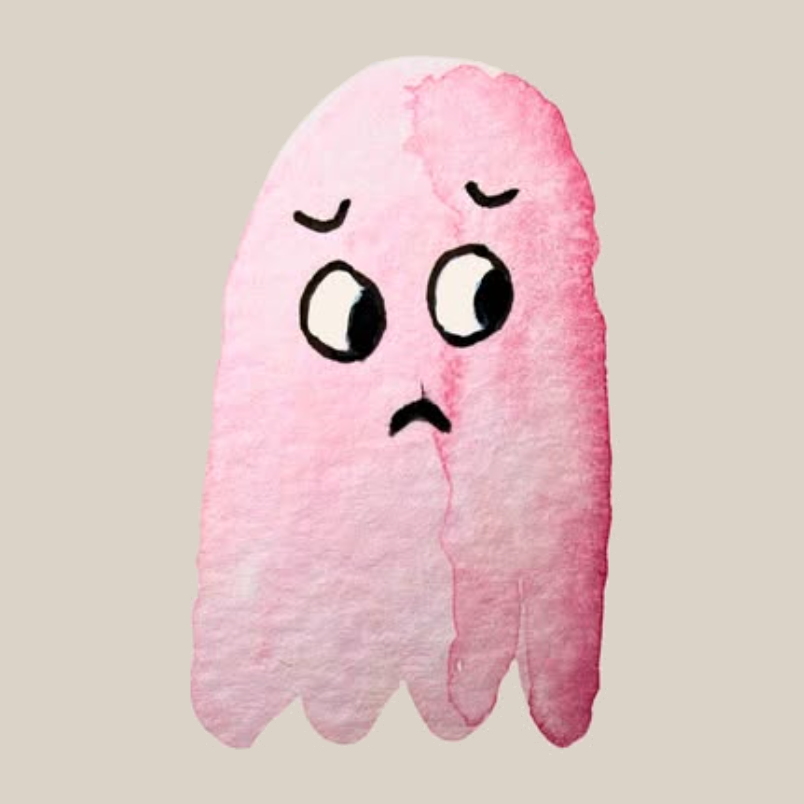
The worrier "What if something goes wrong?"
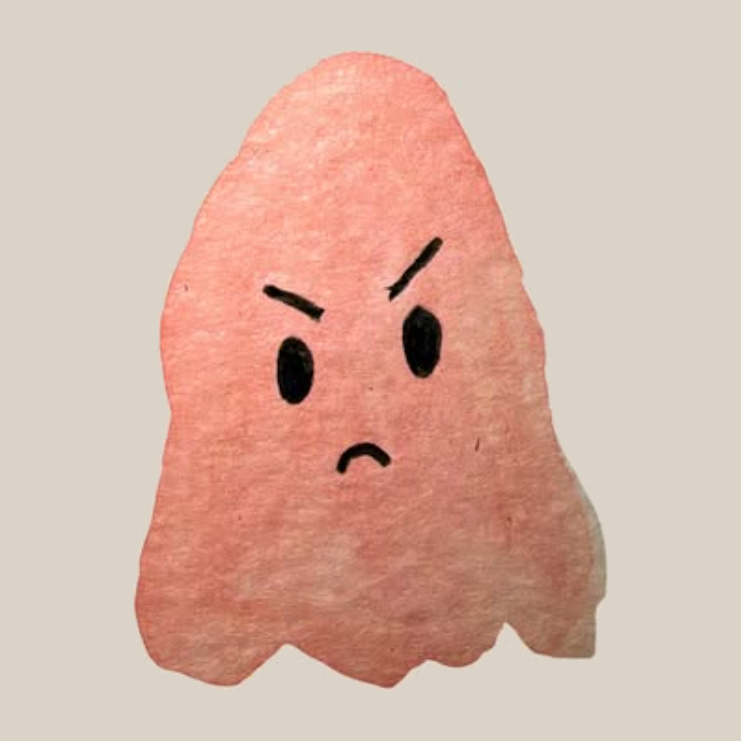
The critic "If I criticize you first, maybe they won't."
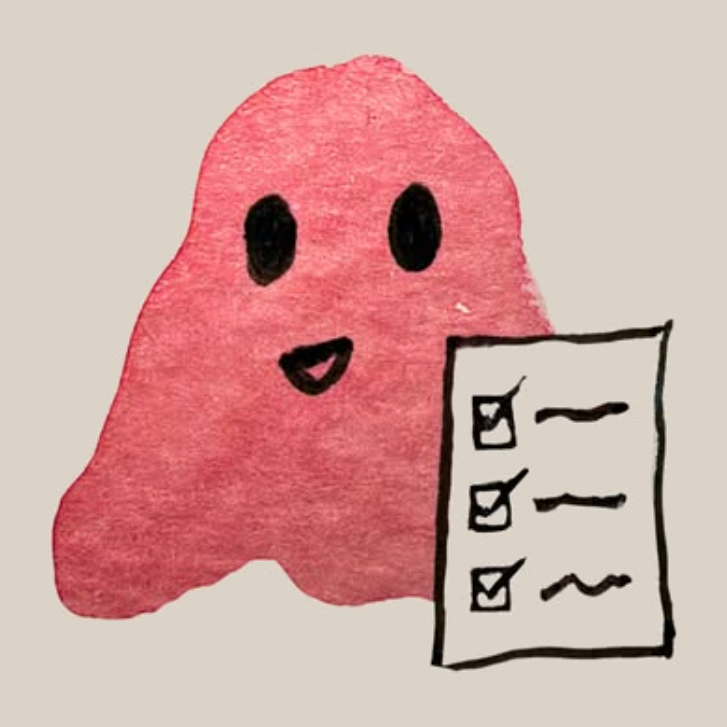
The perfectionist "If I get everything right, maybe I'll be safe from criticism."

The people pleaser "I just want everyone to like me."
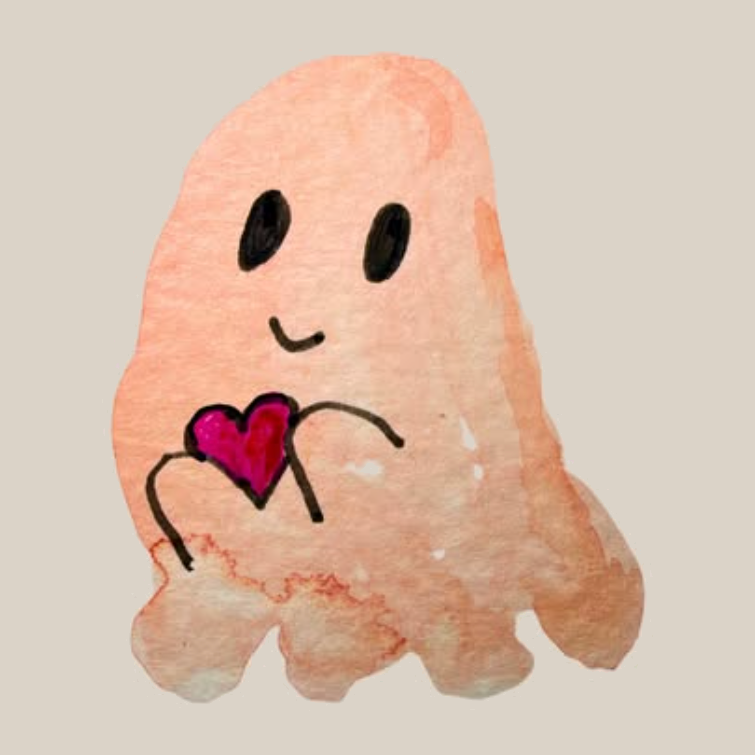
The caregiver "I'll take care of everyone."
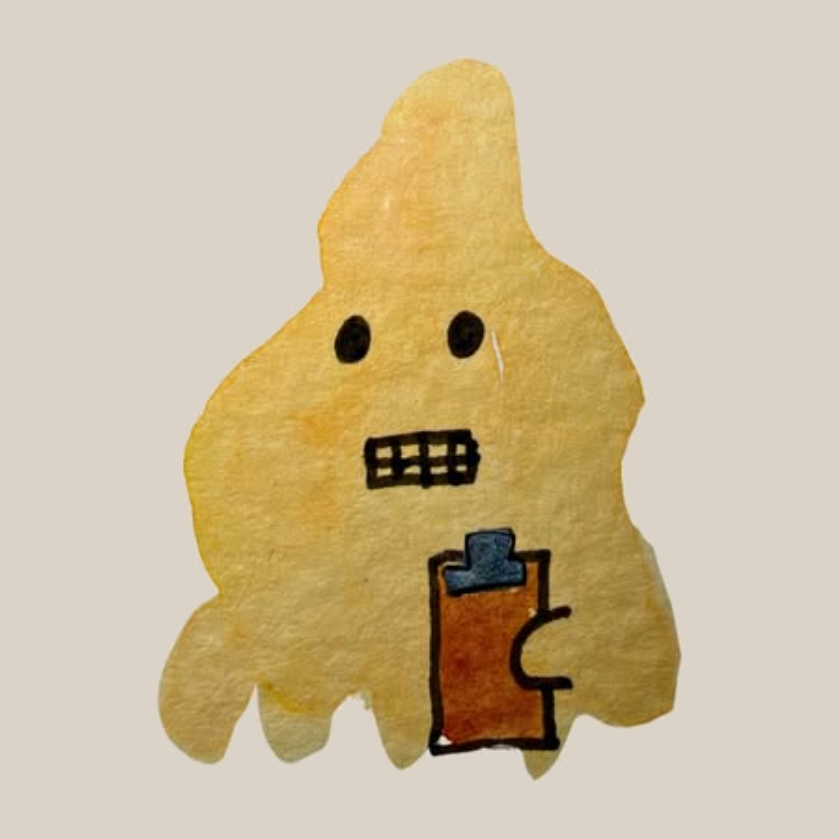
The controller "If I can control everything, maybe nothing bad will happen."
The ones that stay on guard
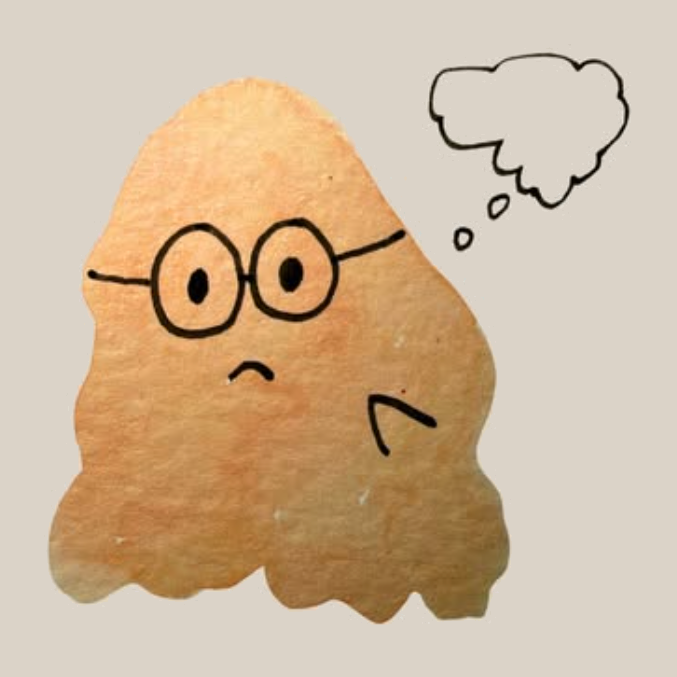
The overthinker "What if I haven't considered everything?"

The hypervigilant one "If I stay alert, maybe nothing will catch me off guard."
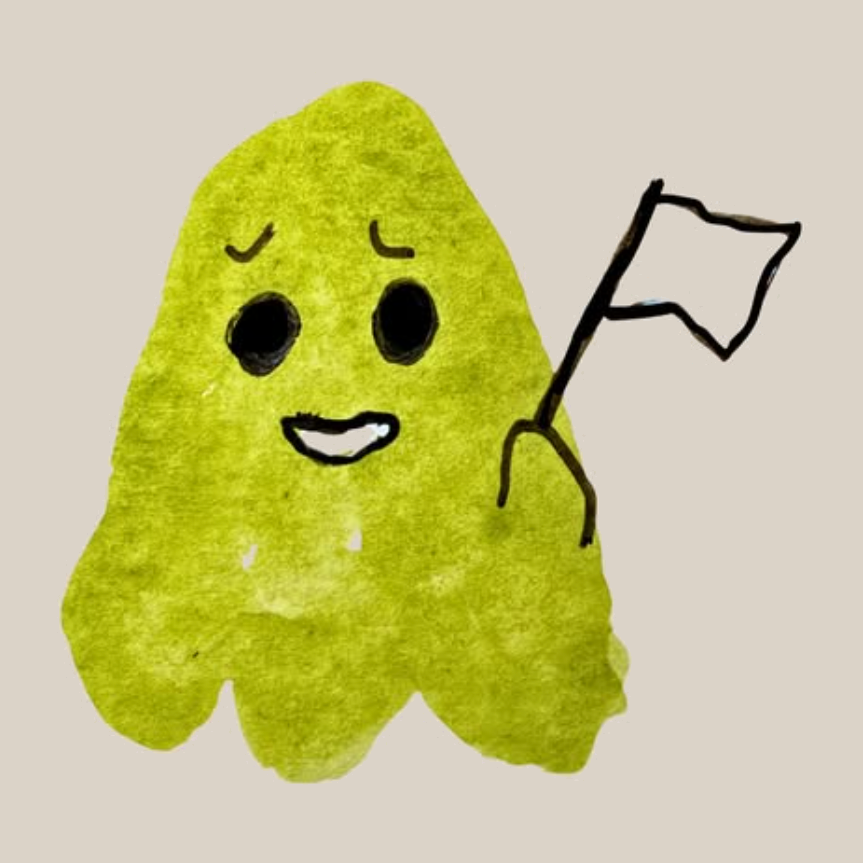
The blame taker "If everything is my fault, maybe I can keep the peace."
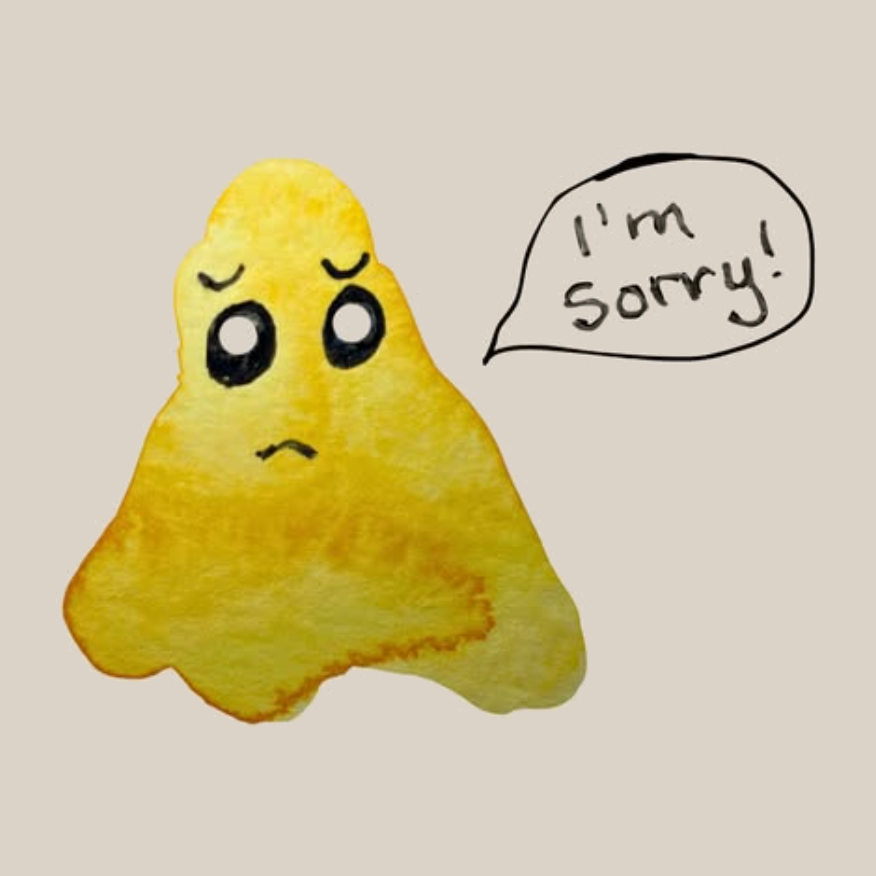
The conflict avoider "If I keep the peace, maybe no one will get upset with me."
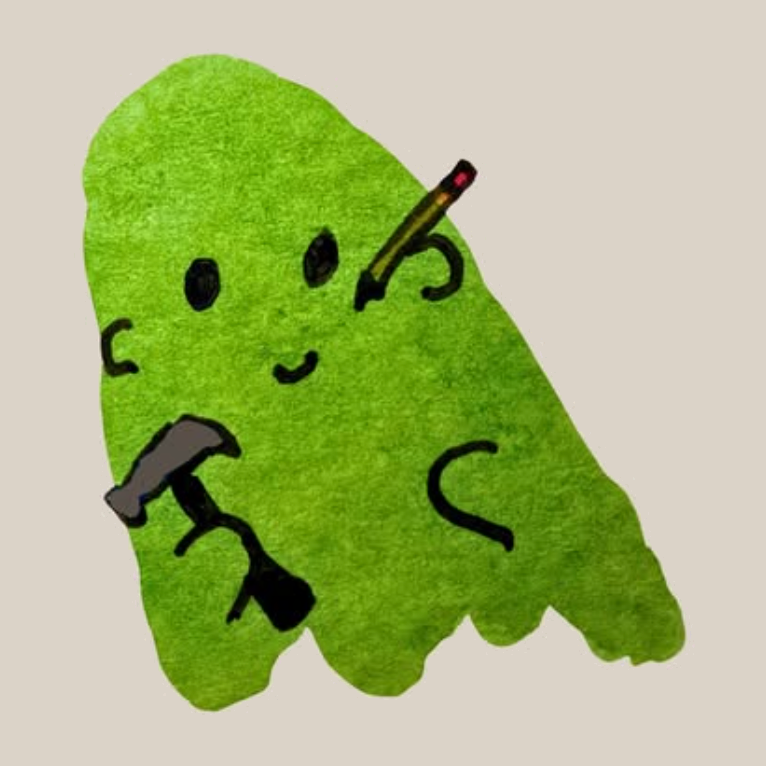
The fixer "If I can solve everyone's problems, maybe everything will be okay."

The exhausted one "I'm so tired of holding it together."
The ones that react when the pain is too much
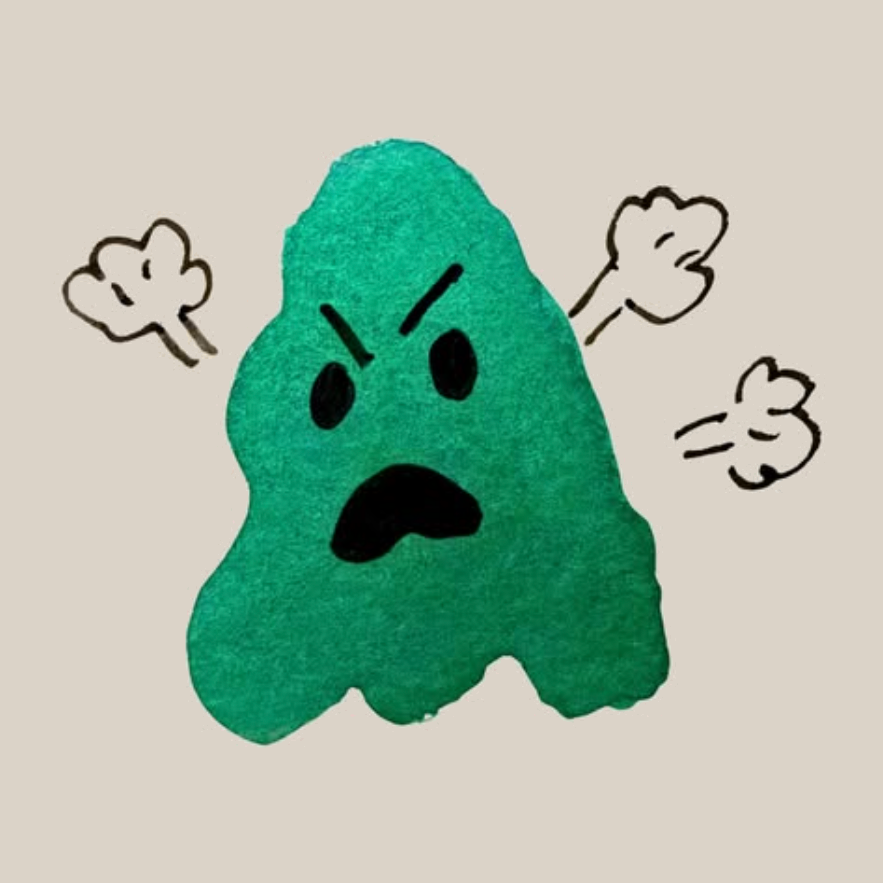
The raging one "If I get angry enough, maybe no one will be able to hurt me again."
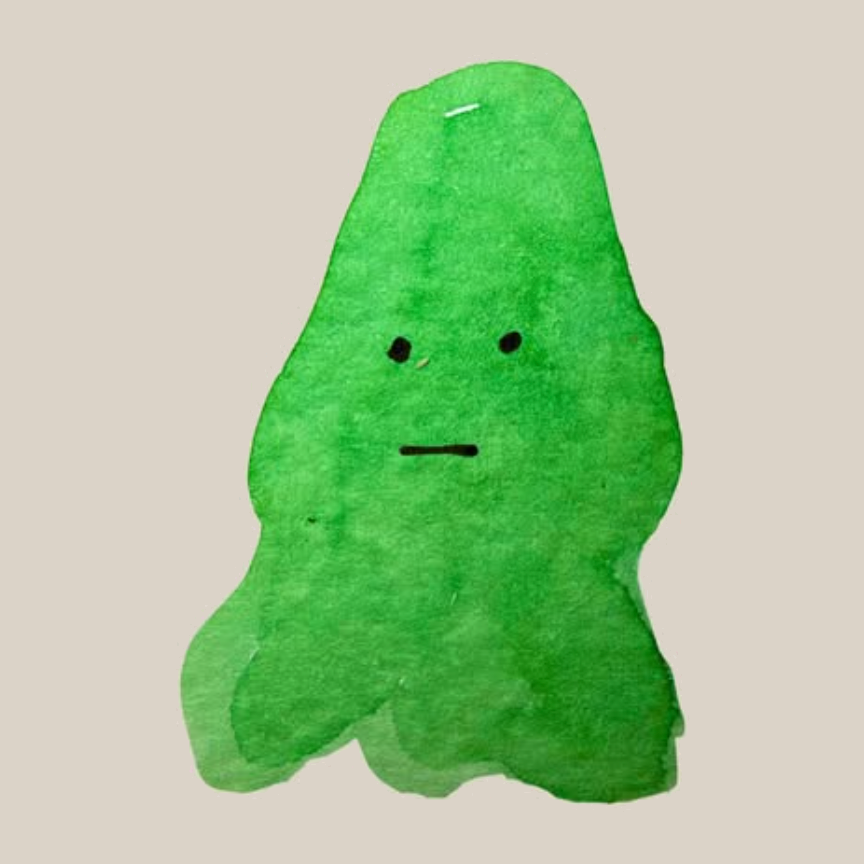
The numbing one "If I don't feel anything, maybe nothing can hurt me."

The distractor "If I keep myself busy, maybe I won't have to feel what hurts."

The dissociating one "If I disconnect from what's happening, maybe it won't feel so overwhelming."
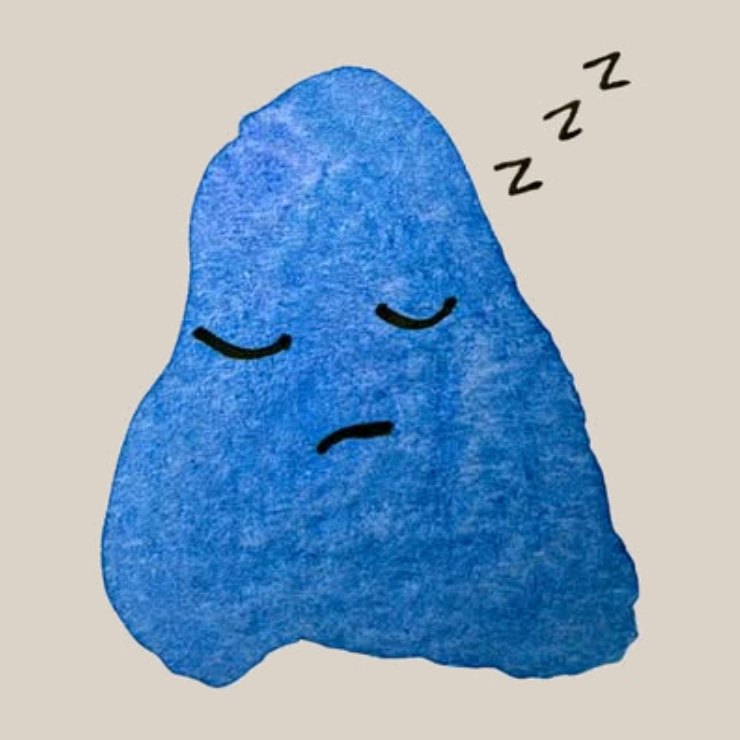
The shutdown one "If I stop responding, maybe everything will feel less overwhelming."

The impulsive one "If I can feel something good right now, maybe I won't have to feel what's hurting."
The ones carrying the heaviest burdens
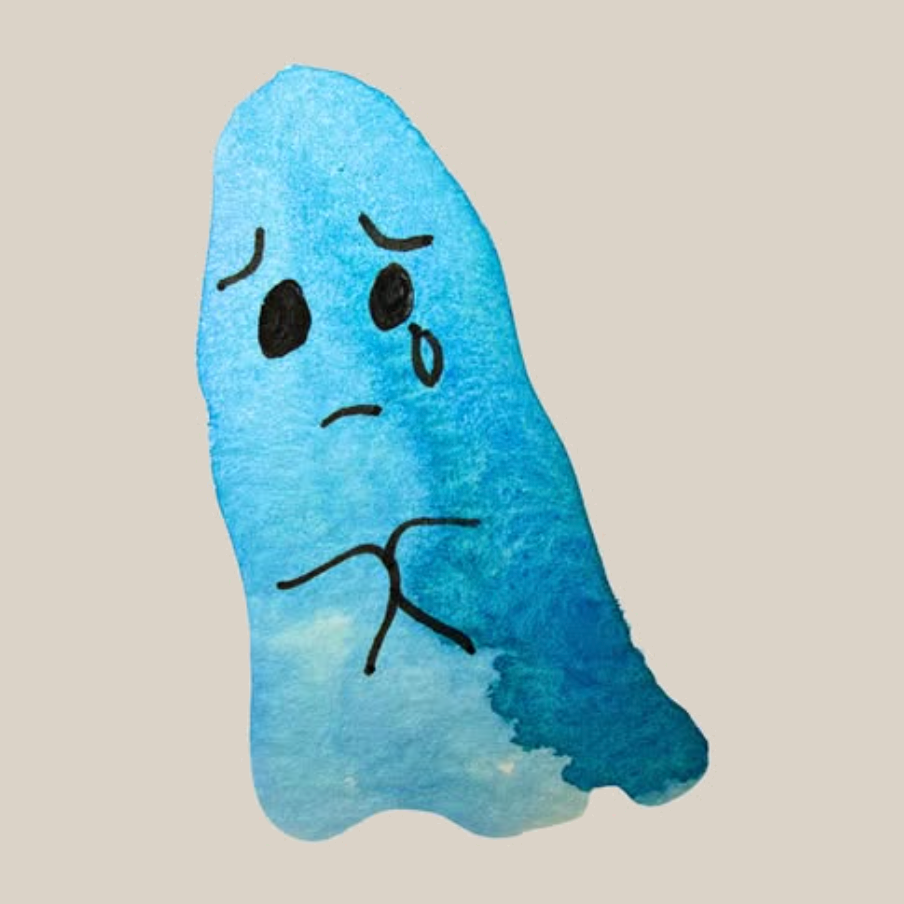
The shame-holding one "Deep down, I believe I'm bad."
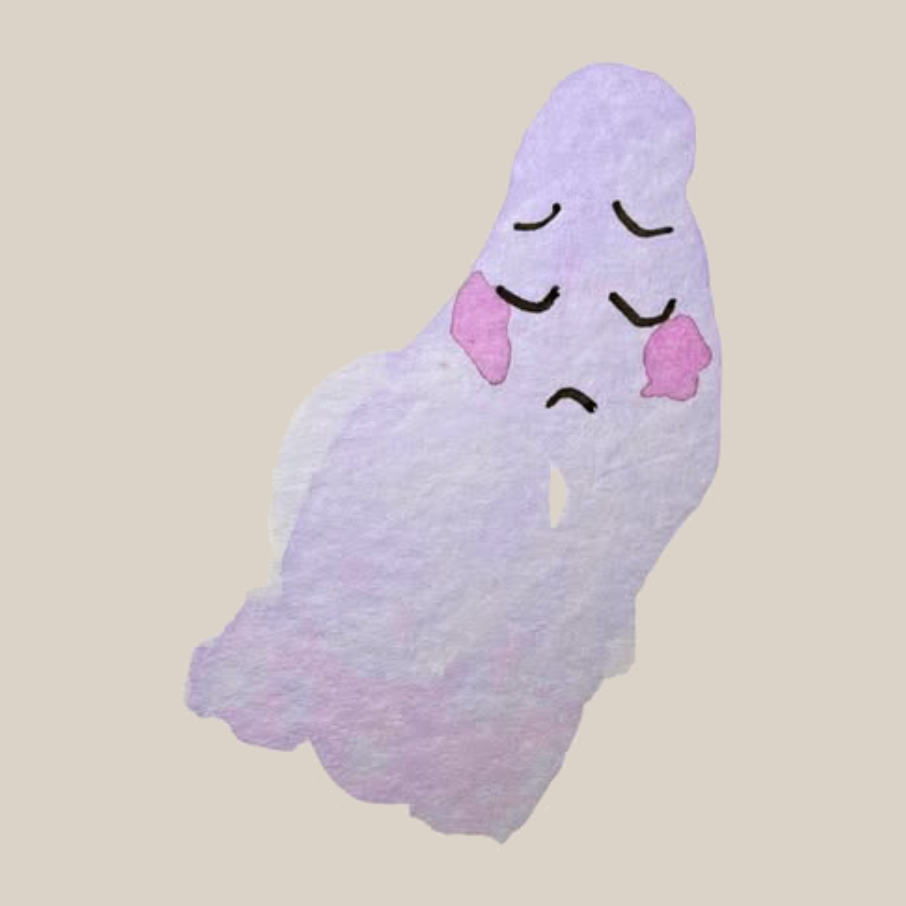
The self-harming one "I'm trying to find relief from feelings I don't know how else to manage."
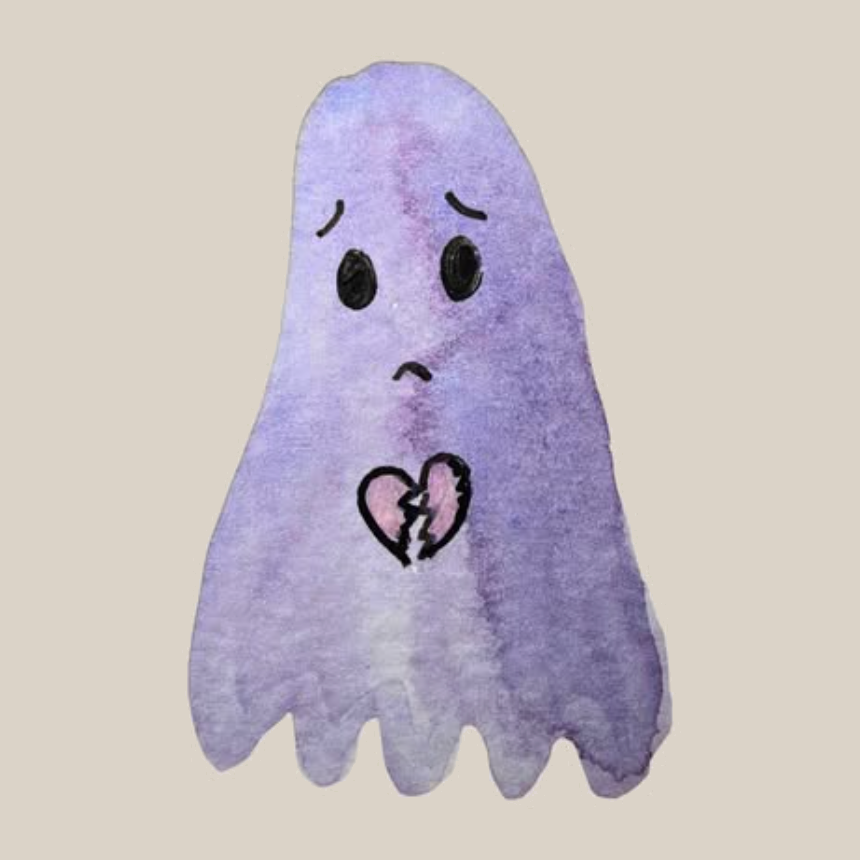
The unlovable one "If people really knew me, they wouldn't love me."
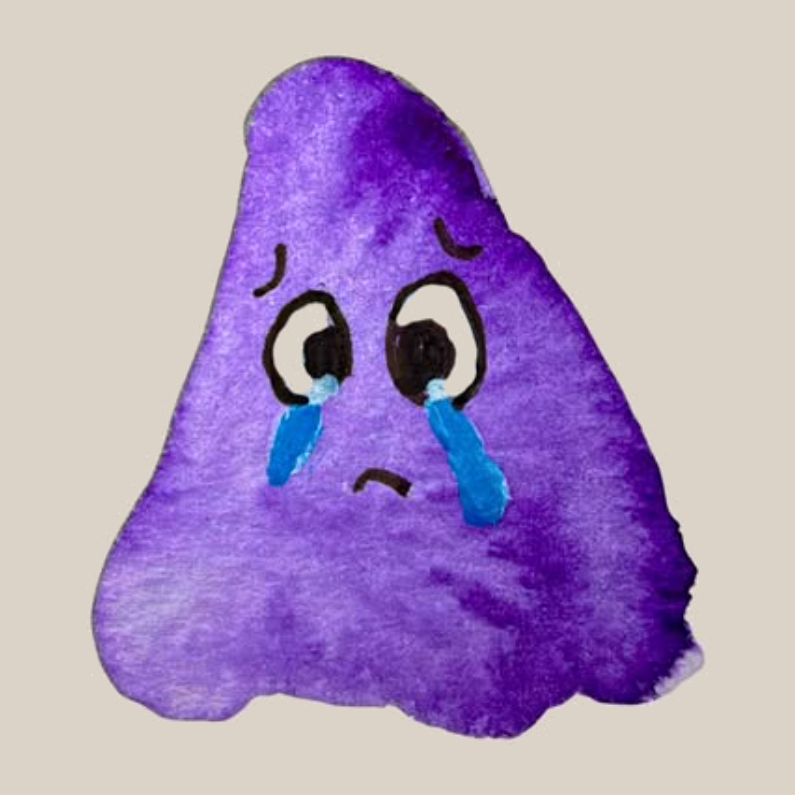
The abandoned one "I'm afraid everyone I love will eventually leave me."
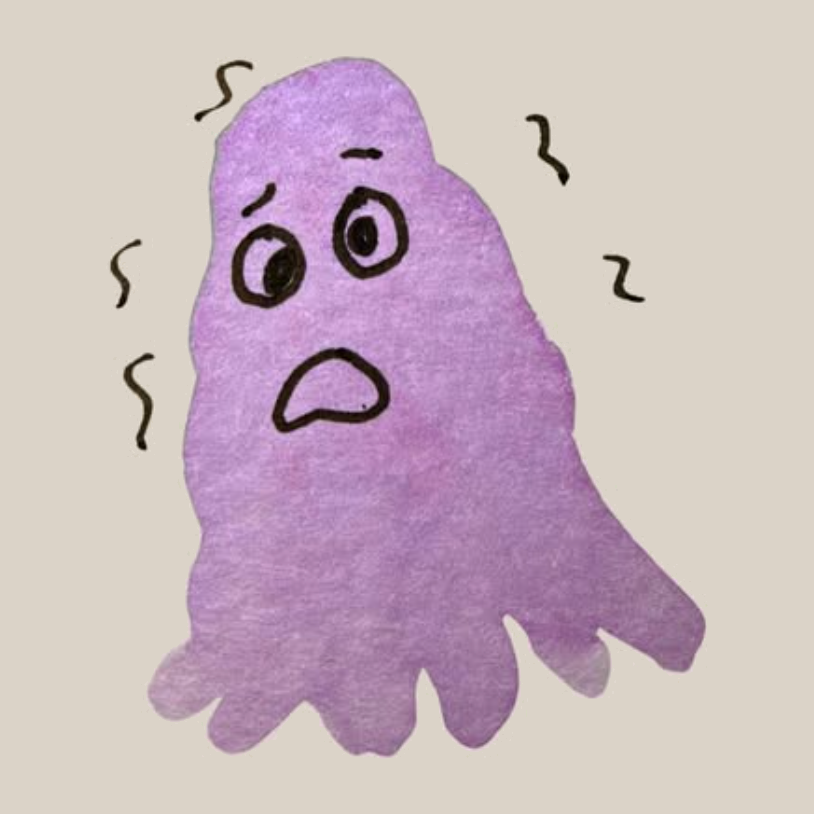
The terrified one "I never feel safe."
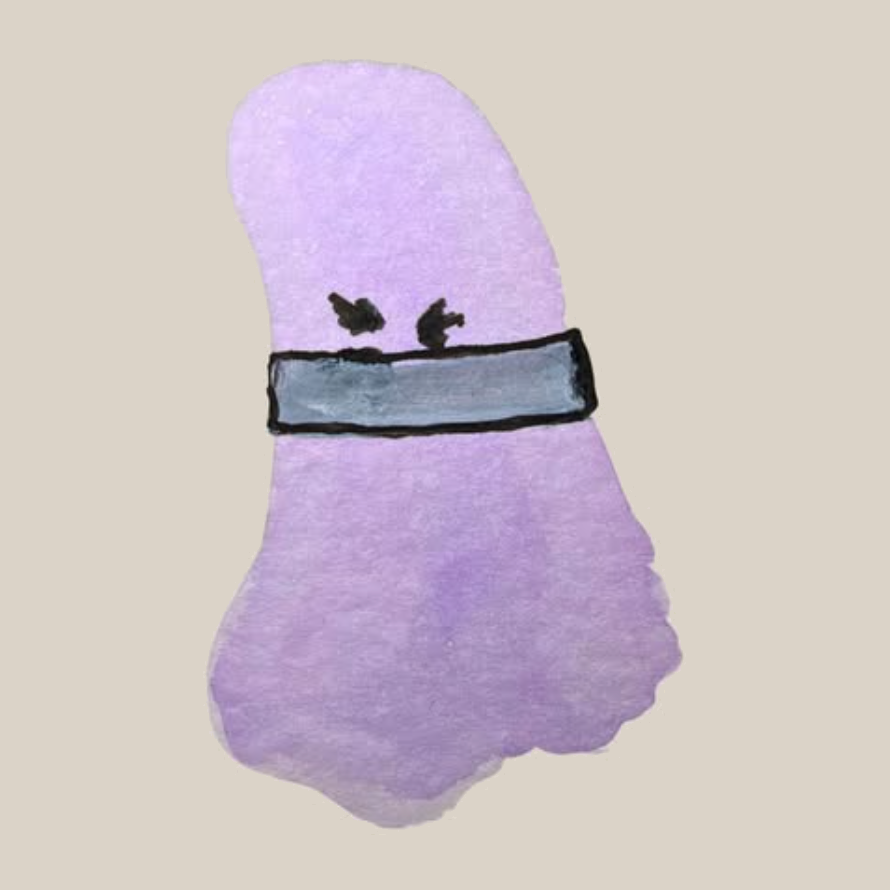
The silenced one "I learned that speaking up wasn't safe, so I stopped trying to be heard."
What parts work is, and what it isn't
Perhaps the most important distinction is that we're not trying to get rid of the parts we find difficult. We're also not suggesting that every behaviour is okay simply because it serves a protective purpose.
Parts work isn't about getting rid of the parts of ourselves we struggle with. It's about getting curious about their stories and the roles they've taken on.
It's about helping protective parts feel safe enough to step back from their demanding roles, while supporting burdened parts in releasing the painful beliefs they've been carrying.
There's often a lot more to our internal experiences than we initially realize.
That inner critic you can't stand? The part that shuts down during conflict? The one that seems determined to sabotage your best intentions?
There may be a story there worth getting to know.
Which little ghost feels familiar?
If you're curious about your own internal system, parts work can be a really meaningful thing to explore in therapy. Which little ghost do you recognize in yourself?
If you're Canadian and looking to connect with a therapist, book a free consultation.
This post is not therapy and it's not a substitute for working with a trained professional. If you are in crisis or thinking about harming yourself, please contact your local emergency number, or call or text 9-8-8 (Suicide Crisis Helpline) anywhere in Canada.